Editor's Note, 11 October 2026: We rewrote this guide from scratch. The old version said lithium batteries last 200 to 500 cycles and 2 to 3 years, which only describes older cell types, and spent half its length on rooftop solar. This one is about the battery in a portable solar generator, with each cycle rating taken from our own reviews and labelled as the maker's claim.
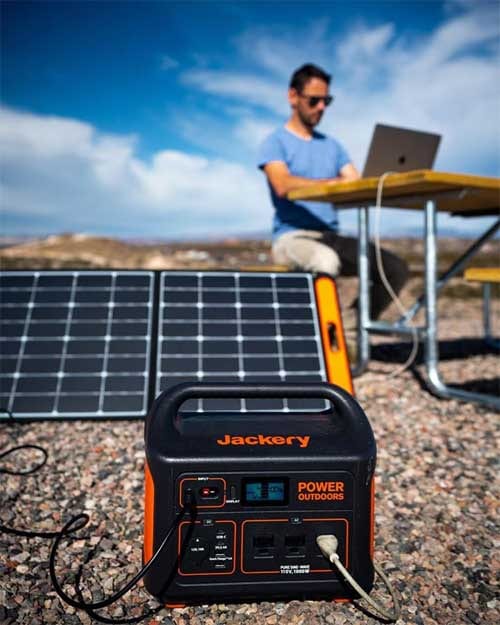
A solar generator is a battery power station paired with solar panels, and its lifespan is the battery pack's lifespan. Modern LiFePO4 packs are rated for 3,000 to 4,000 full charge cycles before they fall to 70 or 80 percent of their original capacity. Makers describe that as roughly 10 years of daily use, and back it with a five-year warranty.
The panels usually outlast it. The battery decides when the whole unit is worn out.
What a Cycle Rating Means
A cycle is one full discharge and recharge of the battery, from 100 percent to empty and back. Two half drains count as one cycle. The rating names the number of cycles a pack completes before its capacity falls to a stated percentage of new. It doesn't stop working there; it holds less.
That "stated percentage" is the detail that changes the comparison. The same word, "cycles", covers different end points.
| Model | Chemistry | Maker's cycle rating | Warranty |
|---|---|---|---|
| EcoFlow River 3 Plus | LiFePO4 | 3,000 cycles to 80% | 5 years |
| EcoFlow River 2 Pro | LiFePO4 | 3,000 cycles to 80% | 5 years |
| Anker SOLIX C1000 | LiFePO4 | 3,000 cycles | 5 years |
| Bluetti AC180 | LiFePO4 | 3,500+ cycles | 5 years |
| Jackery Explorer 1000 v2 | LiFePO4 | about 4,000 cycles to 70% | 5 years |
| Jackery Explorer 300 | Lithium-ion NMC | not published in our review | 2 years |
Every figure is the maker's own claim, taken from its spec sheet and repeated in our review. We haven't cycled these packs ourselves.
Read the table carefully. Jackery's 4,000 cycles to 70 percent and EcoFlow's 3,000 cycles to 80 percent aren't like for like, and neither is Anker's or Bluetti's number, where the end point isn't given. A pack counted to 70 percent has run further down the wear curve than one counted to 80. If you compare two stations, compare the percentage as well as the number.
The Arithmetic Most Pages Skip
Cycles only matter if you use them. Divide the rating by how many full cycles you really put through in a year.
| How you use it | Full cycles a year | 3,000 cycles lasts | 4,000 cycles lasts |
|---|---|---|---|
| Daily, one full cycle a day | 365 | about 8 years | about 11 years |
| Every weekend | 52 | about 58 years | about 77 years |
| 10 camping weekends and storm backup | 20 | about 150 years | about 200 years |
The "10 years of daily use" you see on listings is simply 3,000 to 4,000 cycles divided by 365. Nobody uses a camping station that way.
That's why the cycle rating isn't the limiting factor for most owners. Time is. A pack ages sitting on a shelf as well as being cycled, and the electronics, the fan and the connectors have their own lives. None of the makers publish a calendar life for the pack, so the five-year warranty is the only written commitment. What follows from that is the care you give it, and when you buy.
Why the Old "200 to 500 Cycles" Figure Is Out of Date
The figure was true of older lithium-ion packs built with NMC cells. Jackery's own cycle-life page puts NMC at 500 to 2,000 cycles, against the several thousand claimed for LiFePO4.
You can see the split in our reviews. The Jackery Explorer 300 is NMC with a two year warranty; the other stations in the table are LiFePO4 with five. The chemistry is on the spec sheet, so check it before you buy: it separates a pack rated in the hundreds of cycles from one rated in the thousands.
Do the Solar Panels Wear Out First?
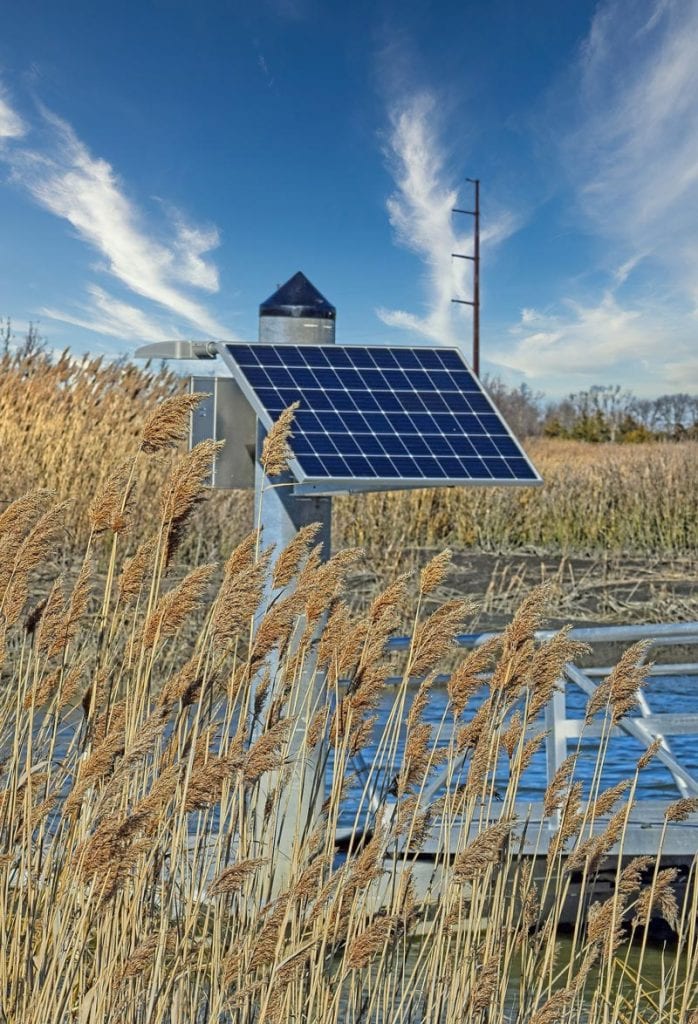
No. Silicon panels lose output slowly. The National Renewable Energy Laboratory's review of nearly 2,000 measured degradation rates found a median of 0.5 percent a year for crystalline silicon modules. At that rate a panel keeps about 88 percent of its output after 25 years.
That study measured rooftop and fixed modules. A folding portable panel adds hinges, a kickstand, a cable and connectors, and those are the parts we'd expect to fail first, though we found no study that measures it. Look after the cable and the panel should outlast the battery.
How to Make One Last
These are EcoFlow's published habits for its own units.
- Don't live at 0 and 100. EcoFlow recommends topping up at roughly 20 to 30 percent and, for daily use, keeping it between 20 and 80 percent.
- Unplug it when it's full, rather than leaving it on the charger for weeks.
- Store it at about 50 percent. For long storage EcoFlow says to aim for around 50 percent and check the charge every 3 to 6 months.
- Keep it cool and dry. EcoFlow's range is 32 to 77 degrees Fahrenheit, and it warns that high heat can damage the battery, so keep it out of hot cars and summer garages.
- Match panel to input. Use the cable and voltage range the station lists, and keep panels clear of shade.
Look: storage is where the guidance is most specific and easiest to follow. Half full, cool, and checked twice a year.
What We'd Buy
If longevity is what you're after, buy LiFePO4 with a five-year warranty and read the percentage behind the cycle number. Our best solar generators guide ranks the ones we've reviewed, and our portable solar panel guide covers the panels to pair them with.
For long weekends in the backcountry a battery is silent and has no generator hours to follow; our guide to using a generator on a campsite covers the rules at campgrounds that limit engines. If you need days of power without sun, a gas unit still wins, and our best camping generators guide ranks ten.
For every type of generator and power station, start at our best generators guide. Powering a camper? Our best generators for RVs ran two battery power stations on real RV air conditioners at Lake Tahoe.
Solar Generator Lifespan FAQ
How many years will a solar generator last?
The battery is rated for about 3,000 to 4,000 full cycles, which makers describe as around 10 years of daily use, and the better ones carry a five-year warranty. Nobody publishes a calendar life for the pack, so treat the warranty as the guaranteed minimum and the cycle rating as the upper bound for hard use.
What is a charge cycle?
One full discharge and recharge of the battery, from 100 percent to empty and back. Using half the battery twice counts as one cycle. The rating tells you how many a pack completes before it holds only 70 or 80 percent of its original capacity.
Do solar panels wear out faster than the battery?
Not usually. The National Renewable Energy Laboratory's review of nearly 2,000 measurements found crystalline silicon panels lose a median of 0.5 percent of output a year. Cables and connectors on portable panels are more likely to fail than the cells.
How should I store a solar generator?
Around 50 percent charge, at 32 to 77 degrees Fahrenheit, in a dry place, checking the charge every 3 to 6 months. That is EcoFlow's guidance for its own units. Avoid hot cars and garages in summer.