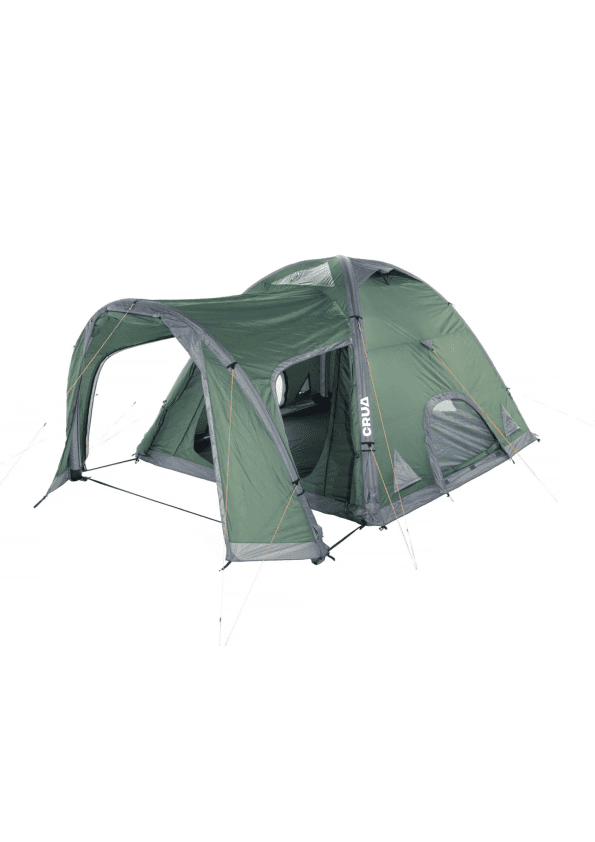
The best inflatable tent is one with high-quality air beams, a reliable pump, and a strong waterproof rating.
Those three qualities decide how stable it stands, how fast it pitches, and how dry you stay.
Get them right and setup takes minutes with no poles to fight.
Below I cover whether to buy one, how they cope with wind, and what makes one comfortable.
I first thought inflatable tents were a gimmick.
Then I tested the top 10 with the rest of the TopNotch team.
Vango was among the first brands to build them well.
More brands have followed since.
Wondering if an inflatable tent belongs on your shopping list?
Inflatable tents carry loads of advantages.
Read on and judge for yourself.
Related: 10 Best Inflatable Tents
Should I buy an inflatable tent?
If you have only used pole tents, buying an air tent can feel like a gamble.
They sound like they will puncture easily.
In practice they earn their place in your kit.
Here is the reason it works: inflatable tents, also called air or airbeam tents, are built from very high-quality material.
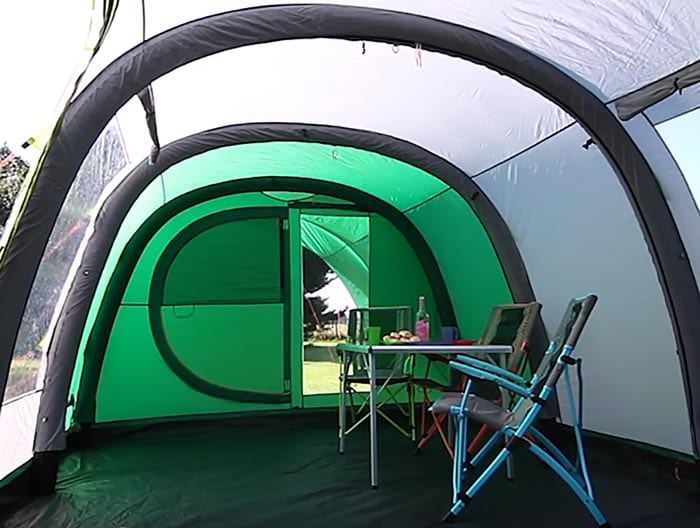
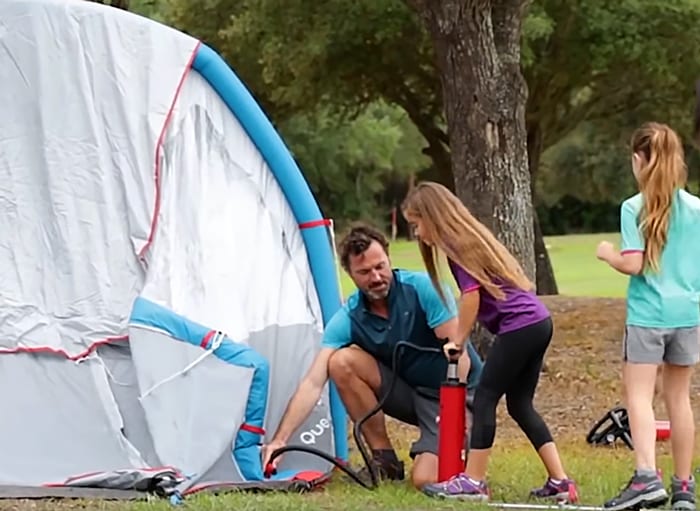
They use air beams that you inflate with a pump.
They have no poles for support.
Here is what that means for you: setup is fast and simple.
Most go up in a few minutes.
Small and large versions both pitch this quickly.
One caveat worth stating early: that speed depends on the pump.
A weak or failed pump leaves you with a flat tent and no poles to fall back on.
Pack a backup and check the pump before every trip.
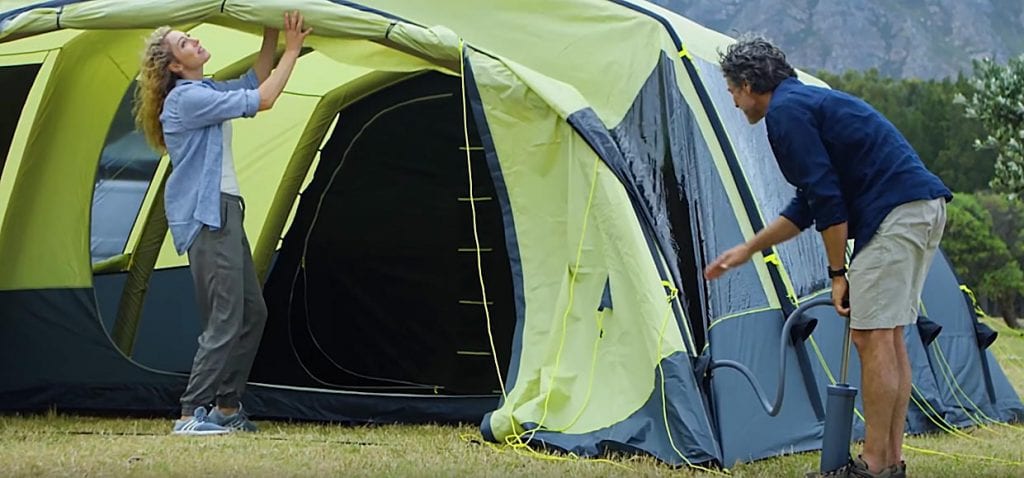
Your fellow campers will envy how fast you pitch and pack down.
That means more time to enjoy the outdoors.
The build quality also holds up well.
Good waterproof ratings keep you warm and dry through a wet storm.
Now the honest part: air beams are tough but not indestructible.
Punctures are rare, yet they do happen if you pitch on the wrong spot.
Keep the tent away from sharp objects.
Clear the campsite before you pitch.
Set the tent on level ground.
If it does puncture, patch it fast.
Most inflatable tents ship with a repair kit.
You can also replace the tube and inner valve if needed.
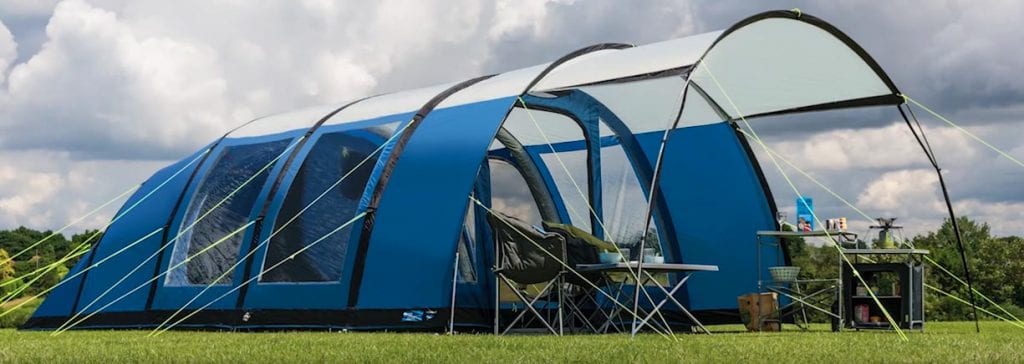
Large air tents differ from regular tents in shape.
Here is the difference to expect: they tend to be limited on width.
Do not count on the extra-large sizes you see in pole tents.
Height is often generous, so many let adults stand.
You can even pitch some from the inside with a big group.
The downsides are real too.
Air technology makes them pricey.
They also run heavy, so rule them out for backpacking.
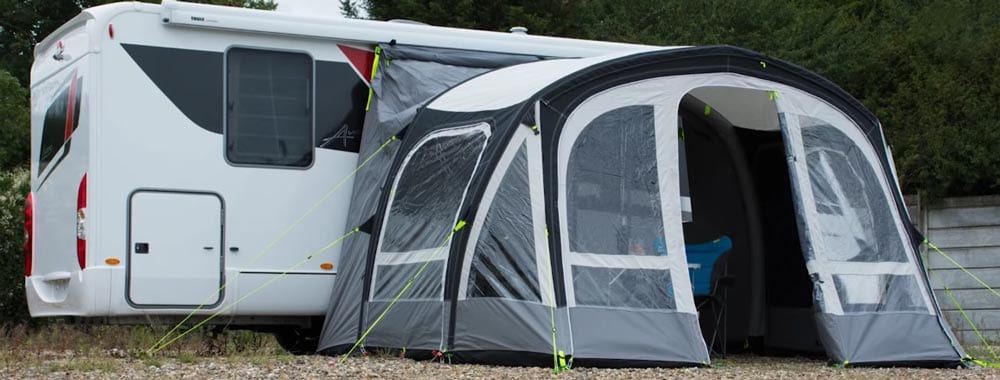
Are inflatable tents good in the wind?
How can a tent without poles hold up in strong wind?
They stay surprisingly stable.
They weigh less than heavy-duty pole tents because there are no pole systems.
That does not mean the wind blows them away.
Many use a central beam that adds structural support.
So they cope with bad weather, high winds included.
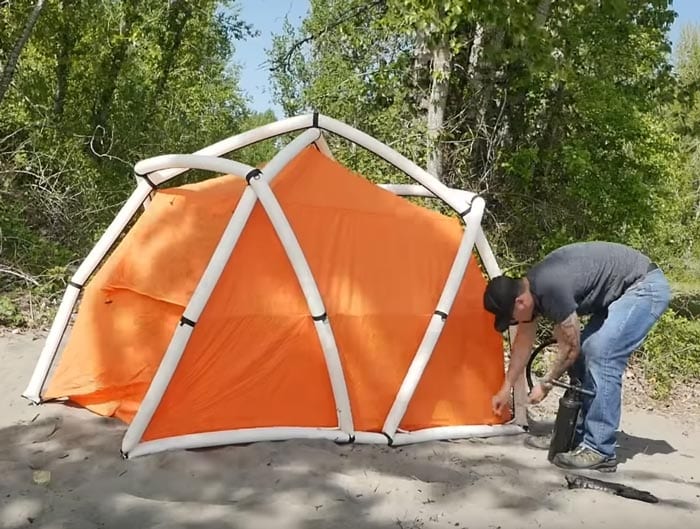
You still need to peg the tent down and secure it with guy lines.
Here is the clever part: the beams flex in strong wind instead of snapping.
That flex helps the tent avoid damage.
Rigid poles are more likely to bend and break.
You can often fix a broken pole, but it ruins the trip when it happens.
What is the most comfortable folding inflatable tent?
Comfort comes down to a few things you can check before you buy.
Start with the construction material.
Pick a tent made from strong weather-resistant fabric.
Here is what separates the good from the rest: high-quality air beams that boost durability.
Check the space too.
Match it to the largest group size you plan to travel with.
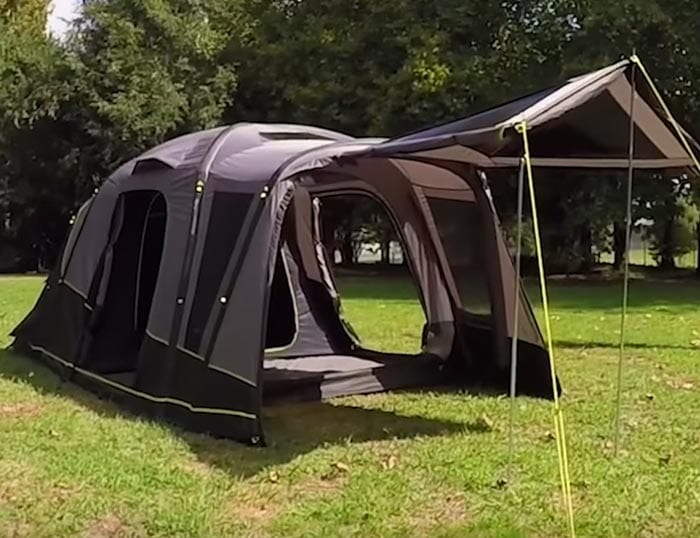
Finally, get a tent with enough windows for proper ventilation.
We reviewed the best inflatable tents on the market for 2026 right here.
You will find pros and cons for each one plus a full buyers guide.
Conclusion: What Is The Best Inflatable Tent?
Want modern tech and solid value on your next trip?
An inflatable tent delivers both.
They come in different sizes and stand apart from regular tents.
The reason is simple: no poles.
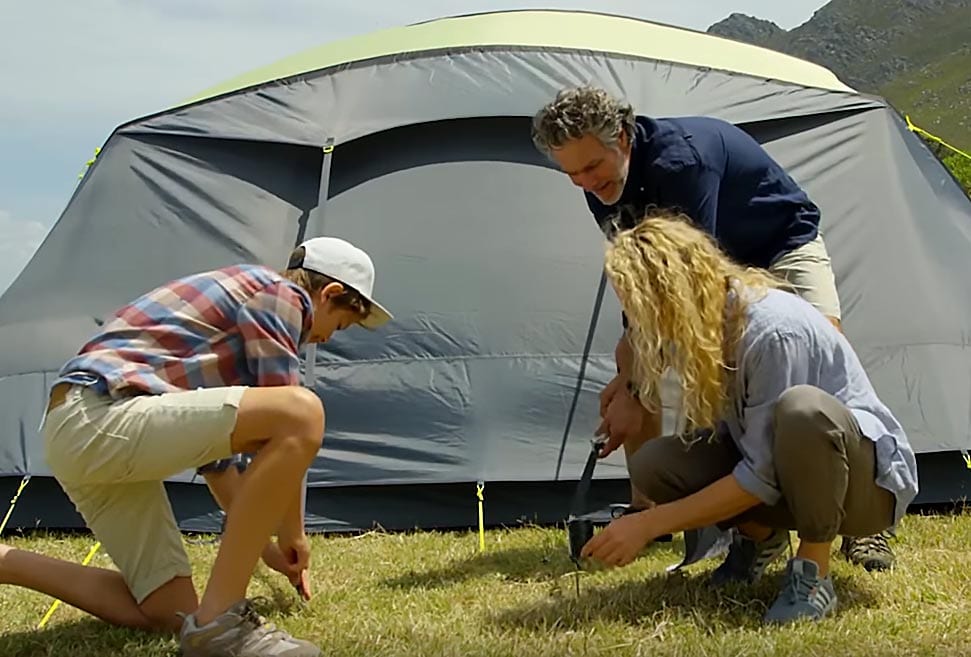
They rely on inflatable beams and a better than average waterproof rating.
Setup is easy because all you need is a pump, and often a few minutes is all it takes.
Just remember the pump is the one part you cannot skip, so carry a spare.
Even without poles, these tents hold up in windy conditions.
If you want a stress-free setup, give an inflatable tent a place on your kit list.
Related: 10 Best Inflatable Tents